Documentation · 7 min read
Reading a certificate of analysis
What each section of a COA reports, how identity differs from purity, and why the lot number is the thread that ties a document to a vial.
A certificate of analysis (COA) is a document that reports the results of analytical tests performed on a specific production lot. It does not describe a compound in general. It describes one batch. That is why the most important line on any COA is often the least noticed: the lot or batch number.
The header: what is being described
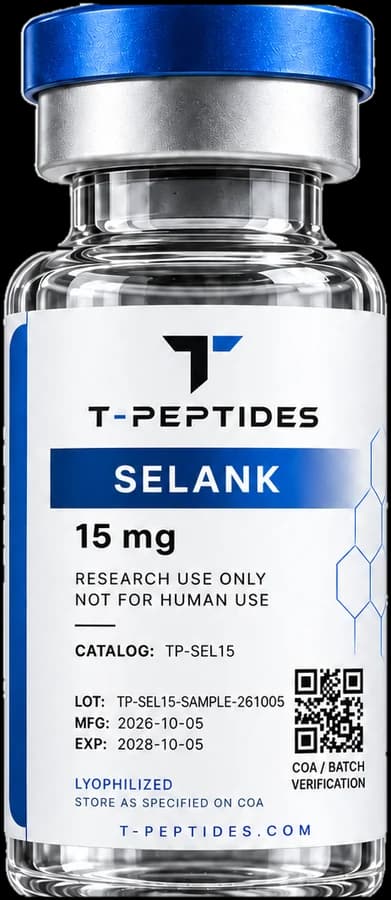
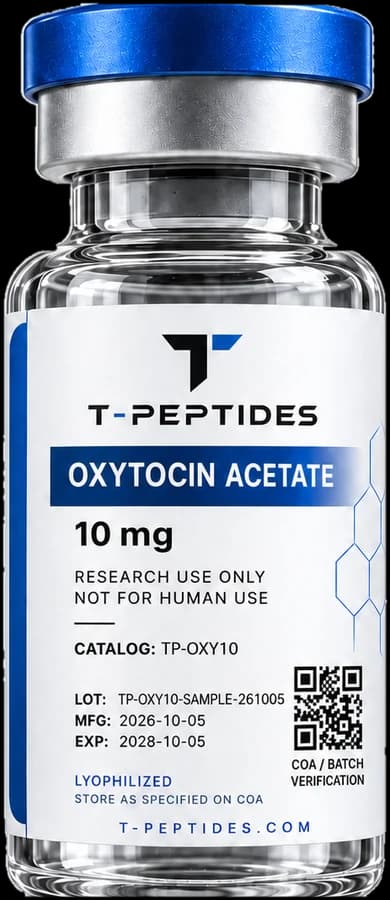
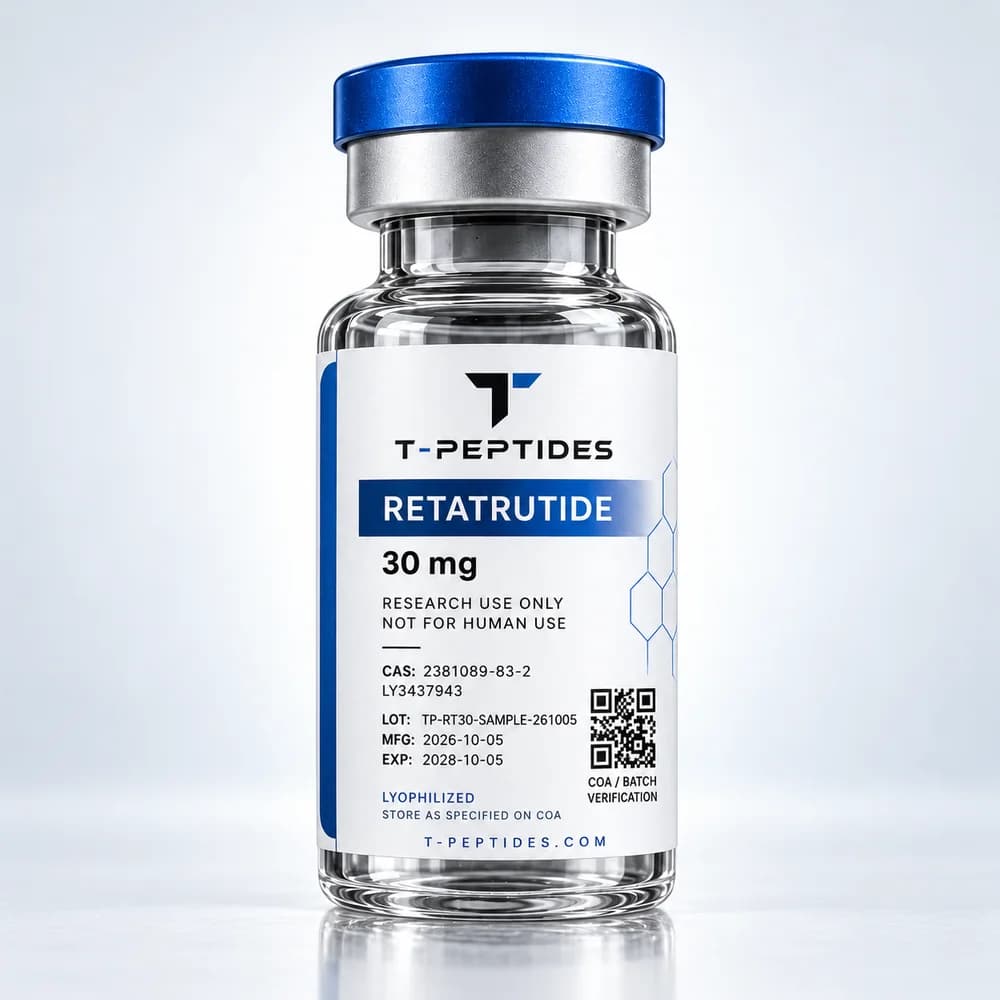
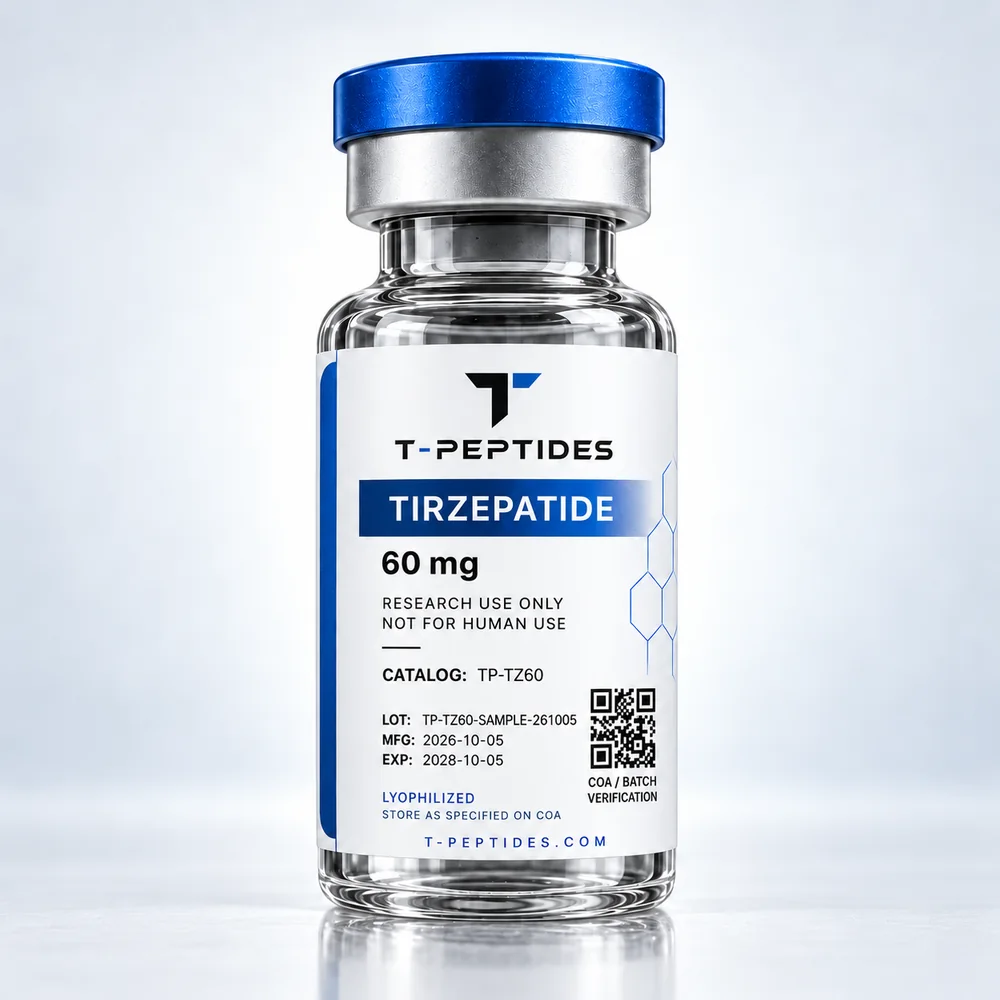
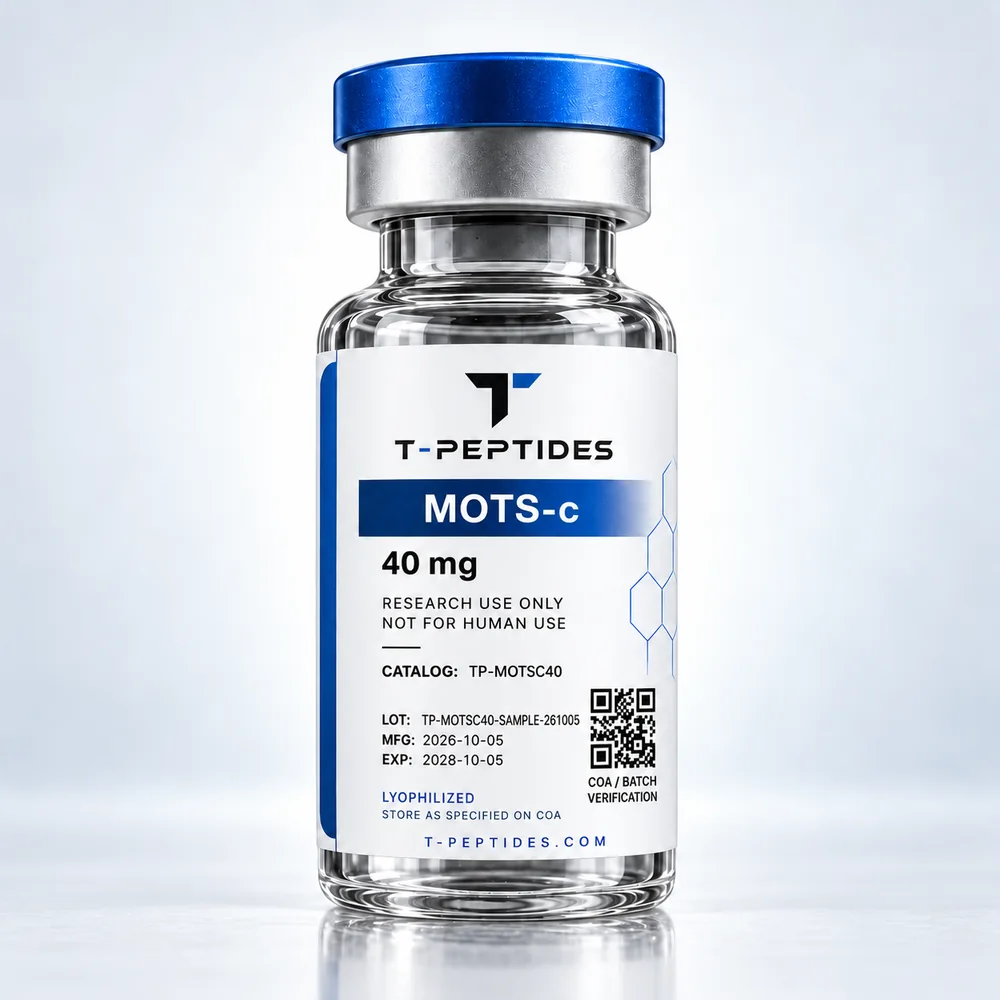
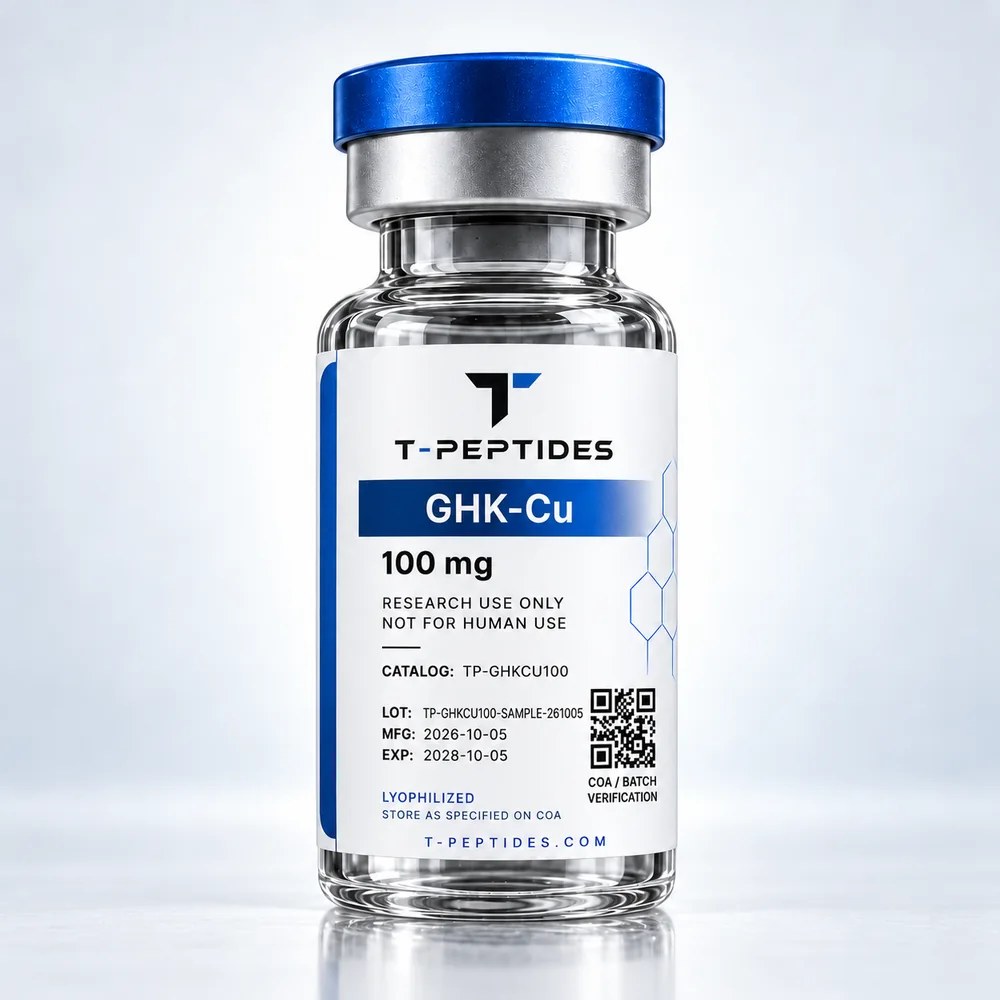
A well-formed COA identifies the product name, the stated quantity per container, the lot number, the date of analysis and, usually, a manufacturing and retest or expiry date. If the lot number on the document does not match the lot number printed on the label, the document says nothing about the vial in hand.
Identity: is it the right molecule?
Identity tests answer a yes-or-no question: is the material the compound it claims to be? For peptides this is most commonly established by mass spectrometry (MS), which measures the molecular mass of the material and compares it to the theoretical mass calculated from the sequence. A result is typically reported as an observed mass alongside the expected mass, or simply as "conforms".
Purity: how much of what is there is the target?
Chromatographic purity is usually measured by high-performance liquid chromatography (HPLC). The sample is separated into its components, and the area of the main peak is expressed as a percentage of the total detected peak area. It is a relative measure. It tells you what share of the detected material is the target sequence. It does not tell you how much material is in the container.
Other common sections
- Appearance — a visual description, e.g. white lyophilised powder.
- Water content — often by Karl Fischer titration; lyophilised peptides retain some residual moisture.
- Peptide content — the proportion of the material by weight that is peptide, as opposed to water and counter-ions.
- Counter-ion — the salt form, such as acetate or trifluoroacetate (TFA), which follows from how the peptide was purified.
How T-PEPTIDES handles documentation
We publish analytical documentation per batch only when a document exists for that batch. We do not display generic purity figures across a product line. Where a COA has been issued, it is linked from the batch verification record. Where it has not, the record says so.
Educational reference only. T-PEPTIDES products are supplied for laboratory research use only and are not for human or veterinary use.