Research
The science
behind the catalog.
A reference layer for professional buyers: what each compound is, how documentation is read, and how the catalog is built. Written to inform, never to advise. No dosing, no treatment claims.
Research notes
Reading
- Handling & storage · 6 minLyophilisation and peptide stabilityWhy research peptides are supplied as freeze-dried powders, and which environmental factors matter most for their stability in storage.
- Traceability · 5 minWhat batch traceability meansA lot number is only useful if it connects to something. How labels, records and documents link together, and what verification can and cannot tell you.
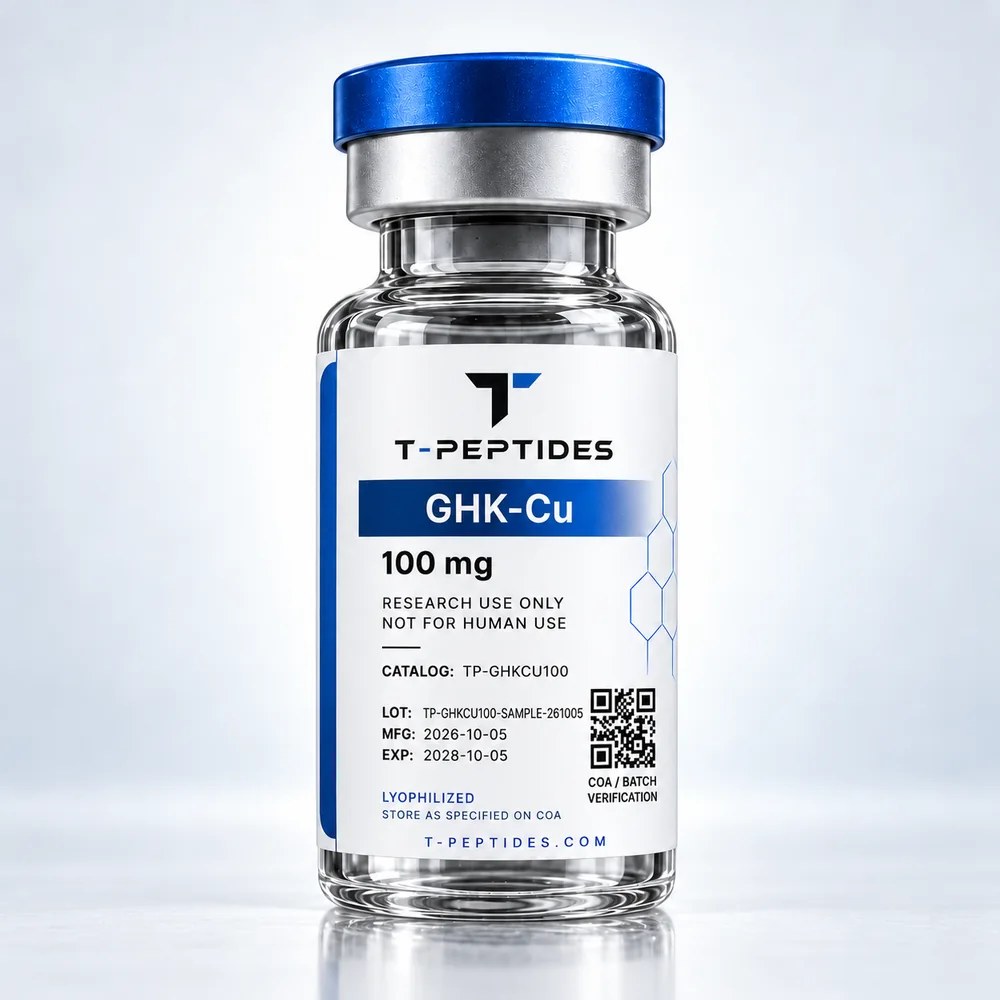
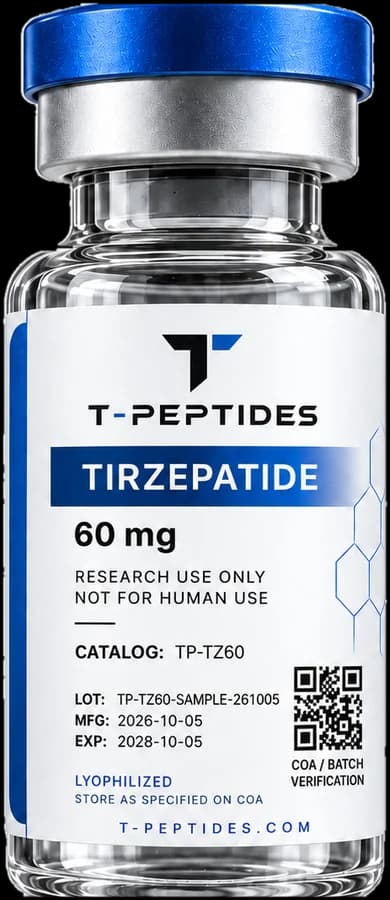
- Product identity · 4 minReading the label: name, strength and formHow products in the catalog are named, what a strength per vial does and does not mean, and how combination products are labelled.
- Foundations · 6 minPeptides: a short primerAmino acids, peptide bonds, sequence and synthesis. The vocabulary behind every entry in the catalog, explained from first principles.
Compound library
31 entries, eight areas
Each listed compound described in neutral terms: what it is, what class it belongs to and the research context in which it is studied.
9 entriesMetabolic & Weight ResearchIncretin, amylin & GH-fragment signalling5 entriesGrowth Hormone AxisGHRH, ghrelin-receptor & IGF-1 analogues5 entriesRecovery & RepairTissue & inflammatory signalling4 entriesLongevity & MitochondrialMitochondria, NAD+ & telomere research5 entriesBioregulator PeptidesShort di-, tri- & tetrapeptides6 entriesCognitive & NeuropeptidesNeuropeptides & CNS signalling4 entriesMelanocortin, Hormone & SkinMelanocortin ligands, oxytocin & copper peptides
Open the compound library